

1. The issues
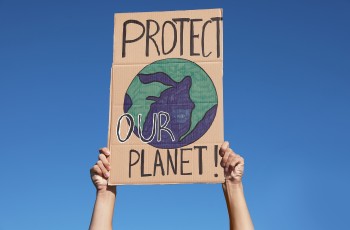
Five state governments have now passed tough new laws with powers to put protesters in jail, such is the battle now raging between governments wanting to prop up the fossil fuel industry and those of us who do not.
2. Our plan
- repeal anti-protest laws
- ensure laws meet the minimum standards set out in the Declaration of the Right to Protest; and
- introduce human rights acts across federal, state and territory governments
3. The evidence
- Four new coal mines have been approved by the Federal Government since May 2022 and another 32 are up for approval.
- At least three existing coal mines are expanding with ~153 million tonnes of emissions.
- Permits to explore waters between SA, Victoria, and Tasmania to establish new offshore gas wells have been approved, despite the advice from climate scientists, no new fossil fuel projects should be developed.
- The Resources Minister claims gas is “critical for the transition” to renewable energy yet 80% of gas extracted in Australia is exported.
- 10 permits for offshore carbon capture and storage exploration were approved despite doubts that CCS can safely sequester carbon – yet another stalling tactic.
- This week the NT Labor Party received almost $60,000 from the gas industry, months out from the Territory election. Fossil fuel companies have continued to pour millions of dollars in gifts onto the major political parties, with the Labor Party alone collecting more than $863,000 in donations from oil, gas and coal producers in the first full year of the Albanese Government.
- According to research by the Australia Institute, Australian governments provided $14.5 billion worth of spending and tax breaks to assist fossil fuel industries, a 31% increase on 2022-23.
- Minister Plibersek hides behind the 25-year-old EPBC legislation which does not have a ‘controlled action’ for a ‘climate trigger’. However, the government could have changed that with a bill in the Parliament any time in Labor’s two years in office but did not.
According to the Intergovernmental Panel on Climate Change, in order to honor our commitments under the Paris Agreement and limit global warming to well below 2°C (and pursue efforts to limit that increase to only 1.5°C), fossil fuel use and thereby greenhouse gas emissions need to peak by the mid 2020s (just six months away), with a rapid decline thereafter.
Australia is not yet on track to meet its 2030 emissions reduction target. The Australian Government is pursuing a broad and deep climate change policy agenda, but this has yet to translate into the emissions reductions needed.
Australia’s greenhouse gas emissions were 467 million tonnes in the year ending June 2023, an increase of four million tonnes on the previous year. To achieve a 43% reduction in emissions by 2030 compared with 2005 levels, and net zero emissions by 2050, Australia will need to decarbonise at an average annual rate of 17 million tonnes.
2023 Annual Progress Advice Report Climate Change Authority
Read the Human Rights Centre’s – Protest in Peril – Our shrinking democracy. See here for coal mine approvals and here for more on protests, The Guardian.
What Australia signed up to: