

1. The issues
Australian farmers are dedicated to a sustainable and secure food supply for the nation but they face significant variability due to global warming, volatility of commodity price indices and water availability.
According to the State of the Environment Report 2024, Australia is enduring harsher fire seasons, more ocean heatwaves and sea-level rises.
2. Our plan
- Research and implement working models that benefit food and production
- Review biosecurity policies and regulations to address current and emerging threats
- Increase our skilled workforce to support current and future needs
- Include agriculture as a curriculum subject in all secondary schools and long-term support to education and training providers.
- Invest in research, technology, and strategies for sustainable farm production.
- Redefine drought zones and provide support and resources to strengthen resilience
- Overhaul legislative barriers to capitalising on emerging technologies and a funding avenue for adaptation to and mitigation of climate risk.
- Review regulations governing water allocation and ownership by foreign entities
- Implement the Productivity Commission’s recommendations for the right to repair
- Adopt the 35 recommendations of the Parliamentary Committee on Agriculture: Australian food story: Feeding the Nation and beyond, especially:
- Develop a comprehensive national food plan
- Appoint a Minister for Food within Prime Minister and Cabinet (PM&C)
- Establish a national food council which will be responsible for the implementation of the National Food Plan.
3. The evidence
Agriculture consumes 75% of total available water within Australia. As of December 2021, farmers used 7.8 million litres of water to support the longevity of crops and pastures (ABS) and of this, 1.9 million hectares of agriculture land was used for irrigation (28%).
Australian farmers play a crucial role in ensuring our food security. Managing 55% or 426 million hectares of Australia’s land, they are both producers and stewards of our country.
Agriculture stands as the bedrock of Australian society, with the sustainability of our food security impacting all Australians.
During 2022-23, Australian farmers produce 29.9 million beef cattle, 2.1 million dairy cattle, 79 million sheep, 700 million chickens (for domestic consumption).
In 2022-23, horticulture produced 1.3 million tonnes of wine grapes, 3.6 million tonnes of vegetables and 2.7 million tonnes of fruit, generating a local value exceeding $13 billion. The production of broadacre crops included 41.2 million tonnes of wheat, 8.9 million tonnes of canola and 32.6 million tonnes of sugarcane sold generating a local value exceeding $21 billion.
As of June 2023, the gross value of agricultural, fisheries and forestry production had increased in Australia by 51% to $94.3 billion. By September 2024, red meat consumption had increased by 0.8% and chicken meat production by 0.9% (ABS). By December, farmgate earnings totaled close to $85 billion and continued to support rural and regional economies throughout Australia. See (Figure 4)*.
See here for our commitment
- Continue to assess the social, economic and environmental impact on our domestic agriculture farm industry, particularly considering the long-term effects of climate change if the threat is disregarded, and the right to access water is compromised.
- Gain a deeper understanding of the terms and conditions of water usage, emphasising how these aspects might influence the future of food security in Australia.
- Delve into the existing guidelines concerning the Foreign Investment Review board to ensure they are in harmony with Australia’s national interests. Our approach includes scrutinizing the approval and screening procedures to guarantee compliance with the law.
- We are committed to upholding all disclosure requirements in alignment with Australia’s legal framework. This initiative is vital for safeguarding the integrity of our agriculture sector and ensuring sustainable practices for the future benefit of our nation.
- We will continue to support the bargaining power of producers within our domestic and export supply chain. Our focus is to continue to regulate the monitoring of our domestic supply chain to ensure that regulatory compliance is upheld, and codes of conduct are abided by. This includes supporting the National Farmers Federation (NFF) who continue to advocate for the importance of reform of competition laws within Australia and the opportunity to improve access for smaller Victorian farm businesses seeking to access commercial avenues to small-scale abattoirs across the domestic supply chain.
- We will review the Australian chemical regulator to ensure that compliance is met. This is crucial for reducing the negative impact of invasive pests and diseases on crop yields and future trade deals. The compliance system also aids in reducing green-house gas emissions and this endeavour ensures Australia’s competitiveness in the global market.
- Supporting the farming industry’s right to repair their own equipment is crucial. We aim to review the current right-to-repair law and management practices to implement broader reforms. This will enable farmers to choose their preferred local repairer for machinery repairs, rather than being obligated to use an authorised dealer.
4. References
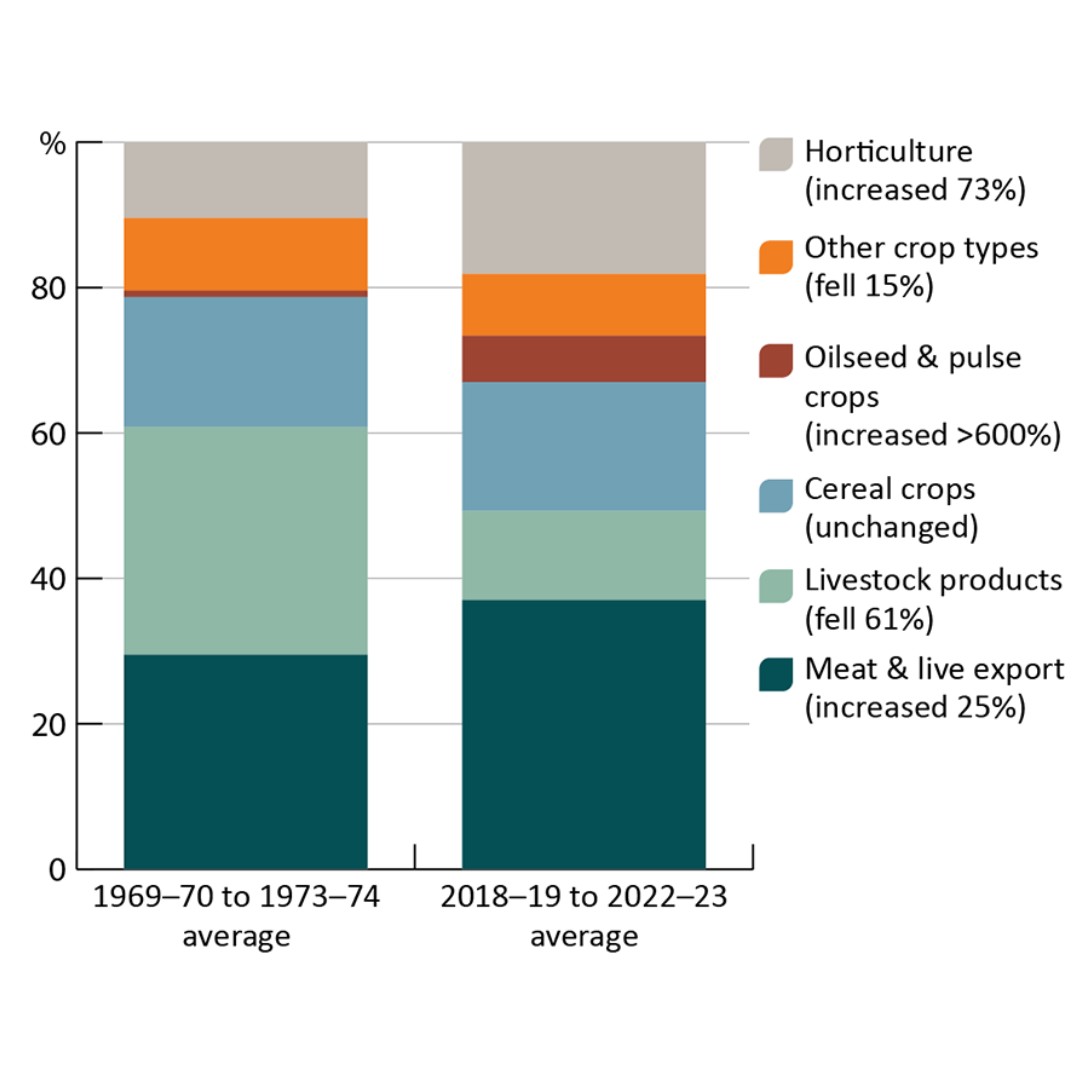
Figure 5: Snapshot of Australian Agriculture 2024 – DAFF
Effect of recent (2001 to 2020) seasonal conditions on farm profit
Australia's small-scale farmers are 'meat in a market concentration sandwich'
Climate change impacts and adaptation on Australian farms
The effects of drought and climate variability on Australian farms
Where to next for Australian agriculture?
Australian Agriculture: Livestock. Statistics on value of principal livestock disposals and products and the cattle herd
Australian Agriculture: Broadacre Crops. Statistics on the production and value of a range of broadacre crops
Australian Agriculture: Horticulture. Statistics on the production and value of a range of horticultural crops
Water Use on Australian Farms. Statistics on irrigation, including pastures and crops irrigated, and water sources
Register of foreign ownership of water entitlements – Report of registrations as at 30 June 2021 | Foreign investment in Australia