


Agriculture is the cornerstone of stable society and it is of national importance to ensure the viability of Australian agriculture for the benefit of all Australians.
Contrary to Australian social norms, agriculture is not limited to things done by farmers. Farmers are but one part of a dynamic social and economic network that encompasses every aspect of society including consumers of agricultural produce.
In this context, ensuring our national agricultural enterprise is sustainable is not solely the responsibility of our farmers. However, provided agriculture is sustainable at a sector level, it is not society’s responsibility to ensure the individual prosperity of every farmer.
Sustainable agriculture is defined as: “…agricultural practices and systems that maintain or improve […] the economic viability of agricultural production; the social viability and well-being of rural communities; […] biodiversity; the natural resource base [and] ecosystems that are influenced by agricultural systems”
Agriculture takes place against the backdrop of increased climate variability and the increased incidence, severity, and duration of extreme weather events.
An Agricultural Sustainability Plan must address the impacts of climate change whilst maintaining or improving the social and economic viability and well-being of rural communities and the surrounding environment. This requires specific adaptation to the needs of farming operations and rural communities.
It is important that any discussion about farming practice reflect that modern farming systems have developed in response to two key determining factors – genuine market signals and the regulatory framework.
It is lazy to be critical of farmers for farming practices without acknowledging the complicity of consumerism and government interventions. Furthermore it is evident that punitive interventions are failing to yield necessary reforms in practice because they are often enforcing a negative commercial outcome in real time.
And yet we have models – proven over the past several decades – that different farming practices are available that work in more sustainable ways within the Australian context. In the sheep farms of the Monaro, to the grain belt of Western Australia, sustainable agriculture is taking hold and can be further supported.
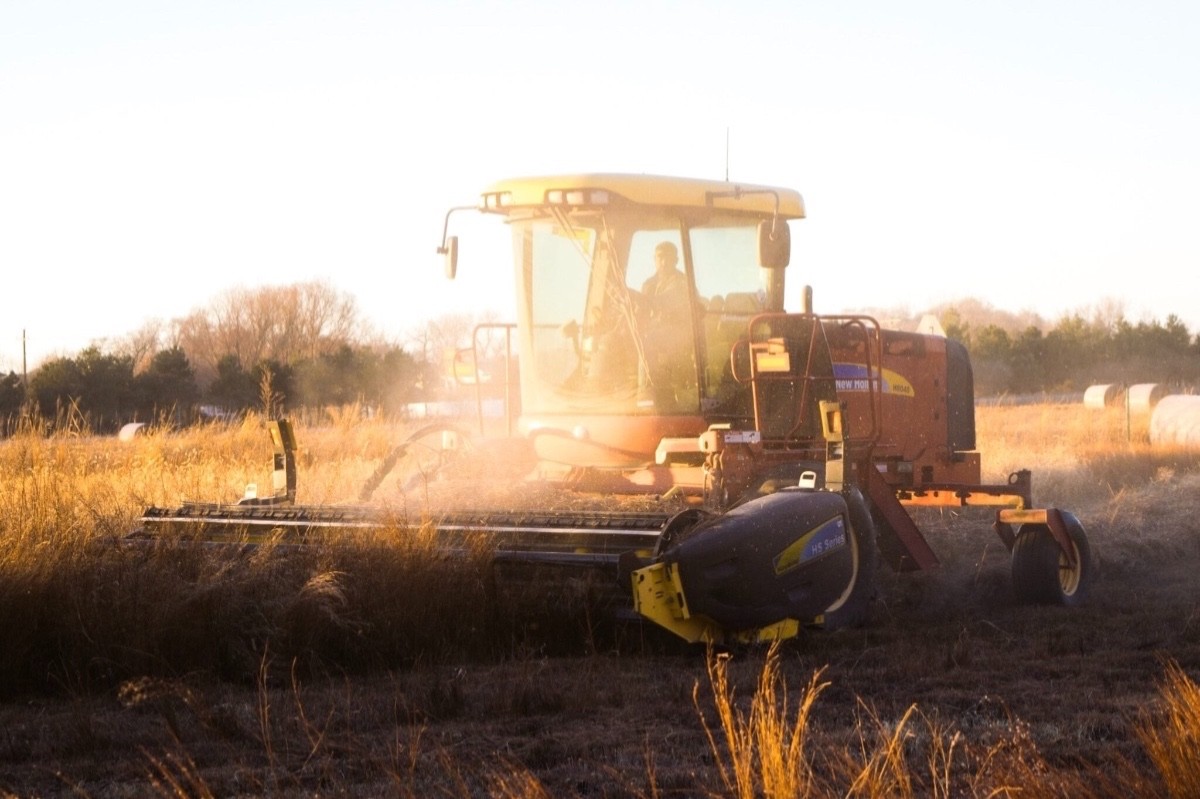
Photo by Jo-Anne McArthur on Unsplash
There are three parts to our Sustainable Agriculture Plan
1. Adapting to Climate Change

Adaptation to climate change varies across Australia, depending on the climatic zone and the agricultural practices at play, whether farms are raising livestock, grains, orchards, stone fruit, wine grapes, fibres, or aquaculture.
By 2050, climate change is projected to halve the irrigated agricultural output of the Murray-Darling Basin region, which currently accounts for 50% of Australia’s irrigated agricultural output by value (about $7.2 billion per year)
Climate Council
This is just one of the economic impacts to the agriculture sector if adaptation is not undertaken, and this will only get worse if the mitigation strategies outlined below are not implemented.
Broadly speaking, adaptation to climate change falls into a number of different categories:
| Information and forecasting |
Water management |
| Farming practices | Forestry management (including fire management) |
| Land management |
Our plan
- Adoption of an agreed set of metrics to measure progress towards ‘sustainable agriculture’.
- Reporting on our national progress against these metrics.
- Investment in the CSIRO and BOM to improve data, modelling and forecasting across the productive regions of the Australian continent and coastal waters
- Invest in RDC activities to promote adaptation and mitigation strategies
- Encourage reforestation (through planting of native vegetation), reduction in land clearing and soil carbon capture (through the use of no-till techniques, planting native grasses, and other regenerative farming techniques)
- Encourage the reduction in use of fertilisers, pesticides and intensive farming practices
- Create a fund for farmers who deliver environmental benefits from their land. The Easiest mechanism would be to tie the ‘reward’ to carbon capture practices such as reforestation and soil carbon.
- Create a levy allowing urban and rural Australians to more fairly share the costs of sustainable land management
- Undertake a comprehensive water audit for the Murray-Darling Basin
- Establish a new Murray Darling Basin Plan based on up-to-date and more accurate models of water falls, flows and usage
- Fire management practices including integration of traditional fire management practices
- A national fleet of water bombers (planes and helicopters) to be deployed to wildfires nation-wide on a needs basis on an estimated annual cost of $25 million
- Invest in R&D for efforts into new plant species and management practices
2. Mitigating Climate Change
Agricultural production and land-clearing account for 22% of Australia’s carbon emissions, representing a significant contribution to the nation’s overall net carbon emissions.
Various Australian groups have endorsed an international plan to reach net-carbon zero by 2050, with shorter-term targets for emissions reduction also being set.
For the agricultural sector, reducing emissions includes efforts to:
- adopt a supply-chain view of emissions from pasture to plate;
- transition on-farm energy supply to renewable sources including wind, local PV (solar) + storage, or biomass*, with the potential to feed excess energy into local, community grids;
- reduce carbon emissions from livestock production of methane through feed additives such as red seaweed and biomass energy generation;
- transition on-farm equipment and transportation to electric and/or hydrogen fuel cell vehicles, away from diesel and petrol engines
- reduce carbon emissions due to land clearing, potentially reaching net negative emissions through reforestation, seagrass, and other initiatives. This will require active engagement with landowners, traditional owners, and Governments to ensure changes in land use are appropriately recognised and funded
- localisation of food processing to minimise transportation and food waste (which has the added benefit of increasing local economic outcomes)
The Special Report on Climate Change & Land from the IPCC identifies:
immediate benefits from the protection of wetlands, peatlands, rangelands, mangroves, and forests;
longer-term benefits from reforestation and afforestation, as well as the restoration of high-carbon ecosystems, agroforestry, and the reclamation of degraded soils.
These measures need to be adopted appropriately for the Australian landscape, and Australian farming practices. Policy measures should be adopted that align with support of these activities.
Photo by Noah Buscher on Unsplash
3. Agricultural Competitiveness
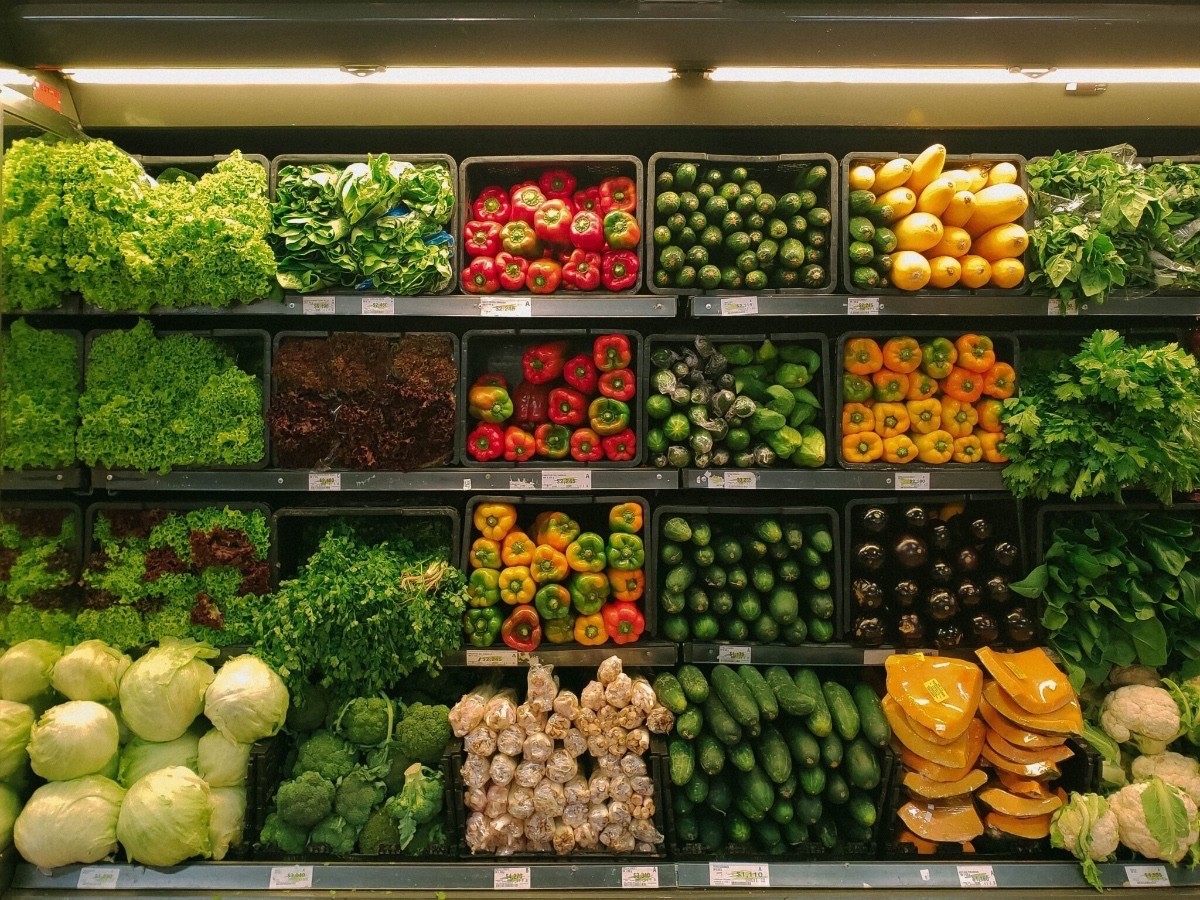
The consolidation of grocery and fresh produce retail over the past four decades has led to a radical shift in the bargaining power of individual agricultural producers.
Now farm gate prices are being dictated by large supermarket chains without consideration for the economics of production.
In 2015 the Commonwealth government released the Agricultural Competitiveness White Paper Stronger Farmers, Stronger Economy.
One of the recommendations was to increase the funding for the ACCC, including the appointment of an ACCC Commissioner with specific responsibility for agriculture. $11.4m in funding was subsequently provided over four years to the ACCC.
The ACCC is currently undertaking an Inquiry into Perishable Agricultural Goods, due to report to Government 30 November 2020. The submission to the inquiry from the National Farmers’ Federation said it:
…… demonstrates how concentrated supply chain power has corroded the profitability and viability of the farming sector.
A sustainable agriculture sector is one in which the farming sector can be profitable and viable. In the words of the Agriculture white paper:
It keeps families as the cornerstone of farming and …. supports strong and vibrant rural communities.
In order for this to be the case, the NFF is calling for significant reform of competition laws, including:
- Increasing the breadth and scope of unconscionable conduct provision;
- A prescribed set of unfair practices;
- Broadening of codes of conduct to more agricultural products; and
- Regular market monitoring of food supply chains to inform further regulator interventions.